Renowned Energy Leader Offers a Rare Insider Perspective on the Middle East’s Most Pivotal Industry
29 January 2026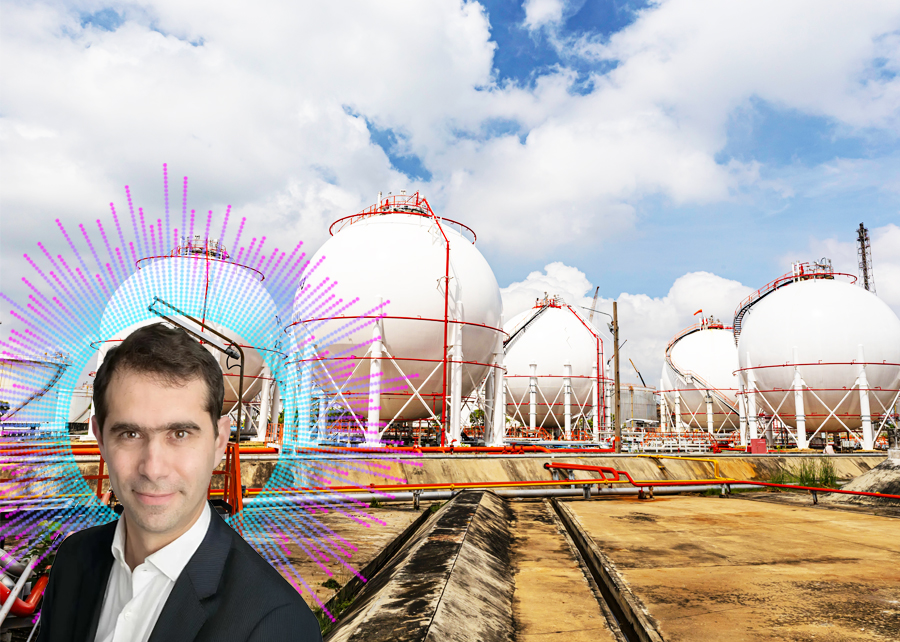
Doha: 29th of January 2026
From the deserts of southern Iraq to the shipping lanes of the Indian Ocean, the Middle East is no longer just supplying the world with energy, it is reshaping how that energy is produced, managed and decarbonised. At a moment of rising geopolitical tension, surging global demand and mounting climate pressure, the region stands at the fault line of the global energy transition.
These dynamics frame a compelling new episode of the Al-Attiyah Foundation Podcast, featuring Julien Pouget, President Middle East and North Africa, Exploration and Production at TotalEnergies, who offers a rare, insider perspective on how scale, partnership and pragmatism are redefining energy leadership in the Middle East.
Pouget brings more than two decades of experience spanning Europe, Asia Pacific and the Middle East. Reflecting on the company’s century-long presence in the region, he remarks that “this is a very key region for our company with deep historical meaning. This is where we were born in 1924, in Iraq,” describing how that legacy continues to shape TotalEnergies’ long-term partnerships across the Middle East and North Africa.
A centrepiece of the conversation is Iraq’s landmark Gas Growth Integrated Project (GGIP), one of the most ambitious multi-energy developments underway in the region. Pouget describes it as “a major project for us and I believe for Iraq… emblematic of our corporate strategy.” The project integrates four developments: the redevelopment of the Ratawi oil field; a gigascale gas treatment facility designed to eliminate routine flaring; a massive seawater treatment plant that will free up 250,000 cubic metres of fresh water each day for agriculture; and Iraq’s first utility-scale solar power plant, delivering 1.2 GW of renewable energy.
The environmental impact is profound. “Ratawi will become one of the less carbon-intensive fields in Iraq,” Pouget notes, adding that over its lifetime the project will avoid “approximately 125 million tons of CO₂ emissions.” In recent company reporting, TotalEnergies notes a 36% decrease in Scope 1 and Scope 2 greenhouse gas emissions from operated oil and gas facilities compared with 2015 — highlighting progress in reducing operational emissions over the last decade.
From Iraq, the discussion moves to Oman and the Marsa LNG project, which Pouget describes as “one of the lowest carbon intensity LNG plants in the world… less than one-tenth of the average LNG plant carbon intensity.” While comprehensive independent benchmarking of carbon intensity at Marsa LNG is still emerging, TotalEnergies’ 2025 sustainability reporting shows its upstream emissions intensity in its oil and gas activities has been reduced to around 17 kg CO₂e per barrel of oil equivalent, reflecting continuous improvement in emissions performance.
Throughout the episode, Pouget rejects the idea that TotalEnergies is turning away from hydrocarbons, instead describing a balanced and pragmatic transition. “The world needs oil and gas, and we grow it responsibly with lower emissions,” he says, pointing to the company’s broader emissions performance. He notes a 36% reduction in emissions compared to 2015.
The episode also situates the Middle East within broader geopolitical and energy-security trends. “The world is changing rapidly, and geopolitics often drives the energy landscape as much as economics,” Pouget observes. In this environment, he argues, consistency in strategy and partnership is essential, particularly for a region increasingly viewed as both a reliable supplier and a driver of innovation in cleaner energy solutions.
The Al Attiyah Foundation Podcast continues to serve as a platform for strategic dialogue on global energy and geopolitics, featuring perspectives from senior leaders shaping the future of the industry.
The full episode is now available on the Foundation’s YouTube channel and official social media platforms. To listen to the full discussion, visit abhafoundation.org.