Caught Between Crisis and Transition: The New Energy Reality
22 April 2026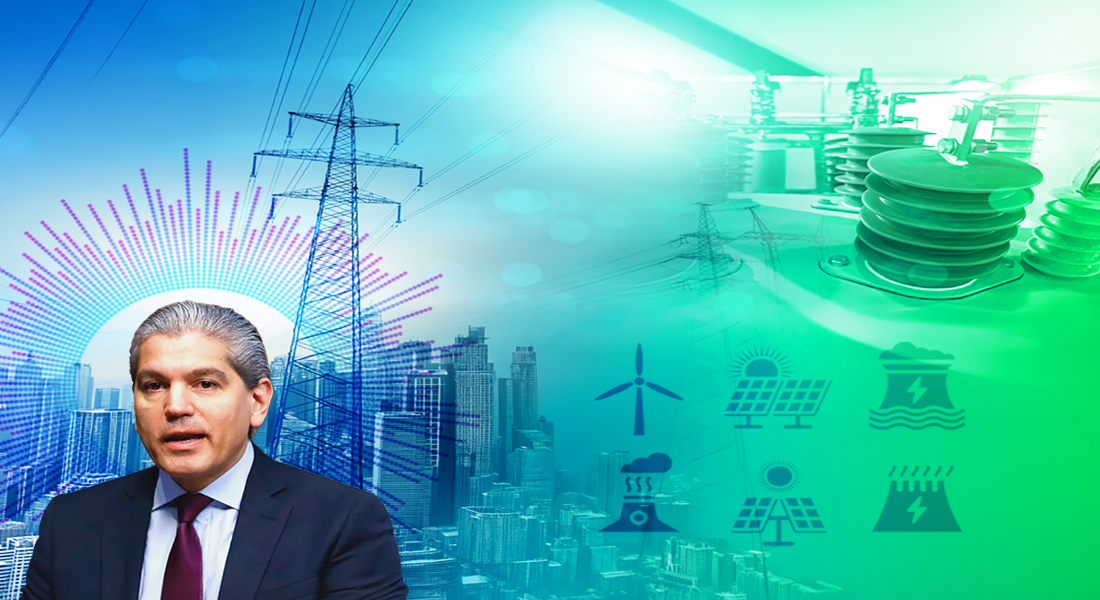
Doha: 22nd of April 2026
Global energy demand is accelerating at great pace, geopolitical tensions are reshaping markets, and the path to decarbonisation is proving more complex than anticipated. In 2024 alone, global energy demand grew by 2.2%, well above the previous decade’s average of 1.3%, driven by surging electricity use and industrial demand. At the same time, energy-related CO₂ emissions reached 34.7 billion tonnes globally, underscoring the scale of the transition challenge.
These dynamics frame a compelling new episode of the Al-Attiyah Foundation Podcast, featuring Aldo Flores-Quiroga, a globally recognised expert in energy policy, international affairs and strategic consulting. With more than 25 years of experience across government, multilateral institutions and global negotiations, Flores-Quiroga offers a rare insider perspective on how countries can navigate an increasingly intricate energy landscape.
Based on his various roles, Flores-Quiroga is of the view energy underpins the global economy. “Very soon you realise that they are very closely related to energy,” he says, referring to the link between international trade, economic policy and the energy system, and how this shaped his move into the sector.
A central focus of the discussion is Mexico’s landmark 2013–2014 energy reforms, one of the most significant structural transformations of a national energy system in recent decades. Flores-Quiroga, who helped implement the reforms as Deputy Minister for Oil and Gas, stresses that success depends not only on sound policy design but also on public understanding. “We use energy every single day, all day long, and we do not necessarily understand the complexities behind the energy industry,” he notes, adding that “we need to communicate much better what policy, and the energy challenges are.”
As energy security returns to the forefront of global policy debates, the conversation highlights the growing strain on existing systems. Electricity demand rose by 4.3% in 2024 which is nearly double the pace of overall energy demand, reflecting the rapid electrification of economies and the rise of digital infrastructure. Meanwhile, price volatility persists across global markets, complicating investment decisions and policy responses.
Against this backdrop, Flores-Quiroga cautions against binary thinking in energy governance. “Energy is too important to be left to markets alone… but energy is too important to be left to the state alone,” he says, advocating instead for “a more virtuous collaboration” between governments and the private sector.
The discussion also explores the uneven progress of the energy transition. While clean energy is expanding rapidly—helping to avoid around 2.6 billion tonnes of additional CO₂ emissions annually—the transition remains more difficult and costly than initially expected, particularly for developing economies balancing affordability and sustainability.
Flores-Quiroga also offers a pragmatic perspective on the future energy mix, pushing back against the idea of a rapid phase-out of hydrocarbons. “Energy transitions are not about substituting one energy source for another, but about adding resources,” he explains, adding that “we’re going to be seeing a world where all energy sources…will continue to be used.”
As the energy transition accelerates amid rising uncertainty, the need for pragmatic policy, clear communication and international cooperation has never been greater. The full episode is now available on the Foundation’s YouTube channel, official social media platforms and abhafoundation.org.