Energy Shockwaves: LNG Markets Upended by Middle East Crisis
04 May 2026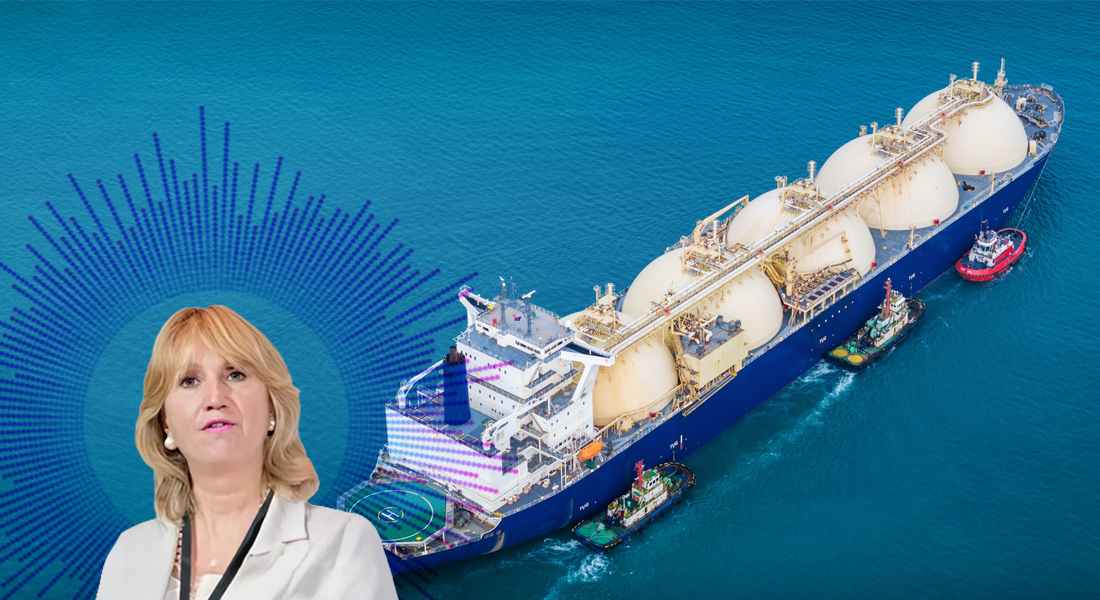
Doha: 4th of May 2026
A major shock is rippling through global energy markets as geopolitical tensions in the Middle East disrupt liquified natural gas (LNG) supplies, send prices surging and expose the fragility of global energy security. These developments, described by industry experts as among the most severe in recent history, are explored in a new episode of the Al-Attiyah Foundation Podcast featuring Patricia Roberts, independent LNG consultant and a veteran of four decades in the oil and gas industry.
LNG plays a vital role in balancing energy systems worldwide, yet the U.S.-Iran conflict has exposed the fragility of supply chains. According to Roberts, the scale of disruption is significant, with around 20% of global LNG supply currently impacted due to halted production in key exporting countries. “That’s about 90 cargoes a month…currently taken off the market,” she explains, describing it as “a considerable amount.”
The crisis is closely tied to instability in the Strait of Hormuz, a critical transit route for global energy flows. Roberts describes the situation as highly uncertain: “We haven’t seen anything like this in the past and we’re navigating a very uncertain path at the moment.”
Despite expectations that markets typically rebalance over time, the LNG sector faces structural constraints. Unlike other fuels, production cannot easily be ramped up in the short-term. “LNG is a must-run fuel and more or less all the plants are operating at full capacity anyway,” Roberts notes, limiting the ability of suppliers to offset lost volumes quickly.
The disruption is already influencing global trade flows and pricing. LNG prices in Asia have risen up to around $20/MMBtu, with European prices lagging behind, prompting cargo diversions. “Markets are functioning quite pragmatically…there’s a price signal there to divert gas to Asia,” she explains, highlighting how traders are responding dynamically to regional imbalances.
At the same time, volatility remains a defining feature of the market. While prices have surged, Roberts notes that the response has been more measured than during the 2022 energy crisis. “At the moment, I don’t think there’s any sense of real panic in the market in the way that there was back in 2022,” she says.
Beyond immediate market impacts, the crisis is influencing broader energy choices. Rising LNG prices have already led to fuel-switching in some regions. “There are reports…where they’re seeking emergency approval to be able to burn more coal,” Roberts notes, reflecting the difficult trade-offs between affordability, security and sustainability.
Looking ahead, Roberts emphasises that while the current disruption is severe, it does not diminish LNG’s long-term role in the energy system. Significant new capacity—around 250 million tonnes per annum—is already under construction globally and expected to come online over the next decade. However, she cautions that recovery will take time, even under favourable conditions. If stability returns to key transit routes, “we could probably look at restarting capacity over a matter of…four to six weeks,” although full system recovery may take longer.
As global energy systems become increasingly complex, the podcast underscores the need for resilient supply chains, diversified sourcing strategies and pragmatic policymaking. With demand growth in Asia, particularly China, continuing to drive long-term LNG demand, the sector remains central to the evolving energy landscape.
The full episode is available on the Al-Attiyah Foundation’s YouTube channel and official social media platforms.