The New Energy Security: Global Experts Examine How Energy Systems Can Withstand an Era of Multiple Risks
10 September 2026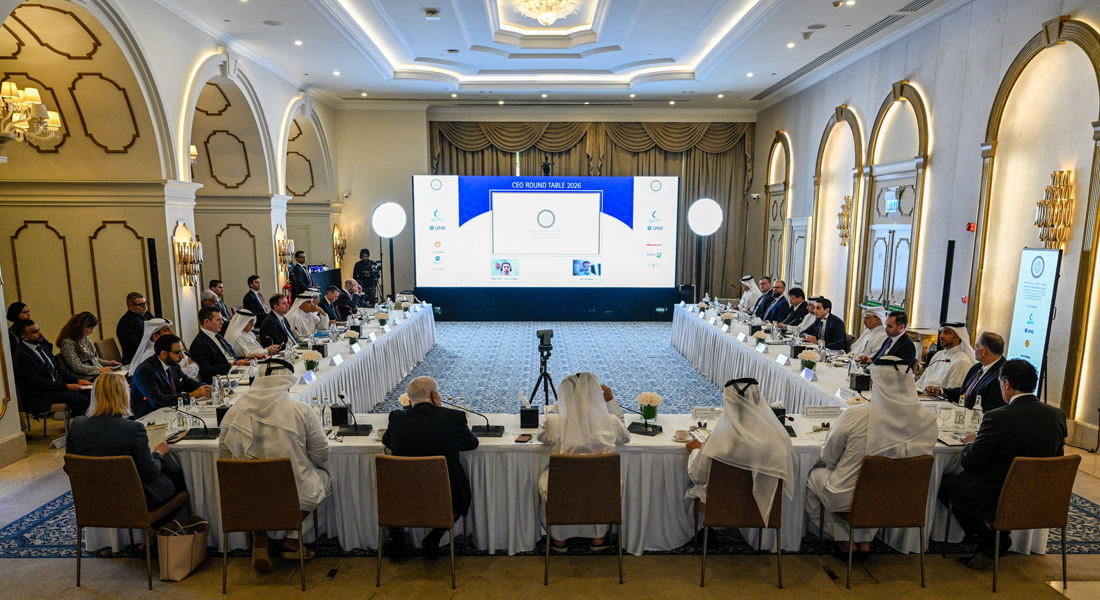
Doha: 10th of September 2026
Cyberattacks, extreme weather, geopolitical conflict, shipping disruptions and fragile supply chains are exposing vulnerabilities across the global energy system. As these threats become increasingly interconnected, energy security can no longer be measured solely by the availability of oil, gas or electricity.
Against this backdrop, senior executives, policymakers, diplomats and international experts convened in Doha on 9 September 2026 for the Al-Attiyah Foundation’s third CEO Roundtable of the year, titled “The New Energy Security: Building Resilient Energy Systems in an Era of Multiple Risks.”
Held under the Chatham House Rule, the roundtable provided a high-level forum for participants to examine how energy companies and governments can move beyond reactive crisis management and build long-term resilience across physical, digital and commercial networks.
The discussion was moderated by esteemed broadcaster Nawied Jabarkhyl. Expert contributions were provided by Michael Williamson, Section Chief in the Energy Division at the United Nations Economic and Social Commission for Asia and the Pacific; Anne-Sophie Corbeau, Global Research Scholar at Columbia University’s Center on Global Energy Policy; Jim Krane, Diana Tamari Sabbagh Fellow in Middle East Energy Studies at Rice University’s Baker Institute for Public Policy; and Jan-Eric Fähnrich, Global Head of Gas and LNG Analytics at Rystad Energy.
Participants explored how the definition of energy security has expanded to encompass the resilience of grids, pipelines, terminals and digital control systems, as well as access to critical minerals, equipment, semiconductors and specialist services.
Particular attention was given to the growing danger posed by compound risks. A geopolitical crisis, for example, may redirect shipping routes, increase insurance costs and trigger cyber activity simultaneously. Similarly, an extreme-weather event may damage infrastructure while sharply increasing electricity demand.
Cybersecurity formed another central part of the discussion. As energy companies become more reliant on connected sensors, industrial control systems, cloud services, artificial intelligence and third-party software, a failure within one digital system can quickly affect physical operations, trading activities and essential services.
The roundtable also examined the effects of climate change on energy infrastructure. Heatwaves, flooding, storms, wildfires and water scarcity are placing growing pressure on assets and electricity networks, demonstrating the need to incorporate climate resilience into infrastructure design, maintenance, emergency response and long-term investment planning.
Speaking after the roundtable, H.E. Dr Saud Bin Abdullah Al-Attiyah, Chairman of the Board of Trustees of the Al-Attiyah Foundation, said: “Energy security is no longer simply a question of ensuring sufficient supplies of oil, gas or electricity. It requires us to understand and manage the interconnected geopolitical, technological, environmental and commercial risks affecting the entire energy system.
“This roundtable provided an important opportunity for leaders to identify practical ways of strengthening resilience while maintaining affordability and advancing sustainability. By encouraging open and informed dialogue, the Foundation will continue to support the development of energy systems that can adapt to disruption and reliably meet society’s needs.”
The CEO Roundtable Series remains a central part of the Al-Attiyah Foundation’s mission to facilitate informed discussion and deliver independent insights on the future of global energy and sustainable development.
For more information about the Al-Attiyah Foundation’s events, research and publications, visit www.abhafoundation.org.