The Strait That Shocked the World: The Short- and Long-Term Consequences of the Hormuz Crisis
24 September 2026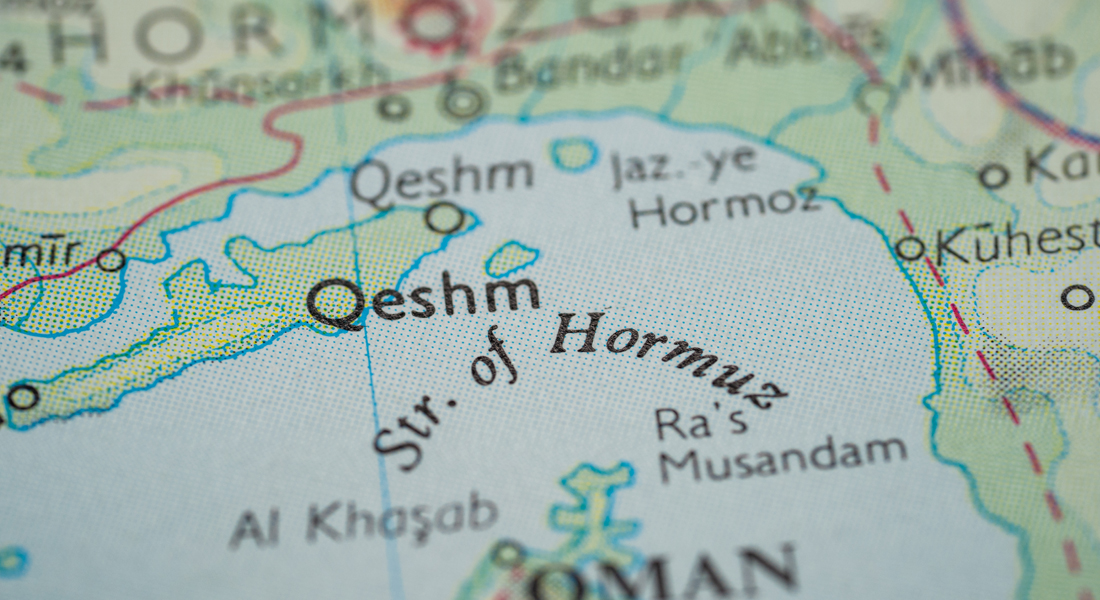
Doha: 24th of September 2026
The world’s most important energy artery has been severely constricted for more than four months. The resulting shock has removed millions of barrels of oil from international markets, disrupted around one-fifth of global liquefied natural gas (LNG) supply and exposed vulnerabilities across industries extending far beyond energy.
A new Al-Attiyah Foundation Special Report, Strait but Narrow: The Energy and Economic Impact of the Hormuz Crisis, examines the consequences of the US-Israeli war with Iran and the prolonged disruption to shipping through the Strait of Hormuz.
Before the conflict, approximately 19.5–20.5 million barrels per day of crude oil, refined products and liquefied petroleum gas passed through the Strait—equivalent to around 20% of global supplies. Crude and condensate exports fell to almost zero during the war and had recovered to only around half their pre-war levels by July.
The disruption already represents the second-largest oil supply shock in history by volume and the most rapid in its severity. Production by Gulf members of the Organization of the Petroleum Exporting Countries fell from an average of 19.33 million barrels per day in 2025 to 11.27 million barrels per day in May 2026.
Around 20% of global LNG supply also normally passes through the Strait, principally from Qatar. These flows were almost entirely halted during the conflict, while attacks and accidents affecting energy infrastructure complicated the subsequent recovery.
Despite the scale of the disruption, the immediate global economic impact has been more limited than initially feared. Brent crude reached an intraday high of $138.21 per barrel on 7 April but subsequently declined as ceasefire negotiations progressed. Strategic stock releases, high commercial inventories, rising production outside the Gulf and lower Chinese refinery activity also helped contain crude prices.
However, refined fuels and LNG have remained under greater pressure. Limited global refining capacity, the loss of Gulf exports and disruptions affecting Russian refineries have kept diesel and jet fuel prices elevated. Asian LNG prices rose from $10.76 per million British thermal units before the conflict to a peak of $22.31.
The report warns that the effects extend far beyond oil and gas. The Gulf is an important exporter of fertilisers, petrochemicals, aluminium, sulphur, helium and other essential industrial inputs. Disruptions could therefore affect agriculture, mining, electronics and technology supply chains, with some consequences only becoming visible during future production and growing seasons.
Economic risks will increase substantially if the crisis persists. Modelling cited in the report suggests that a conflict lasting throughout 2026 could reduce Middle East and North African GDP by more than 12%. India could experience a 3.1 percentage-point reduction in growth because of its dependence on imported energy, Gulf remittances and fertilisers.
The Foundation’s report concludes that the world economy is more energy-efficient, diversified and resilient than during the oil shocks of the 1970s. A barrel of oil now generates more than 2.5 times as much global economic output as it did in 1973.
Nevertheless, global stocks are being depleted, European gas-storage replenishment has been delayed and shipping through the Strait remains severely restricted. Without a sustained return to normal operations, crude oil prices could again exceed $100 per barrel, intensifying inflationary pressure and forcing governments and central banks to make increasingly difficult policy choices.
To read Strait but Narrow: The Energy and Economic Impact of the Hormuz Crisis, visit the Foundation’s website at abhafoundation.org.