COP31, Antalya, Türkiye — Day 3 Summary Highlights Wednesday, 11 November 2026
11 November 2026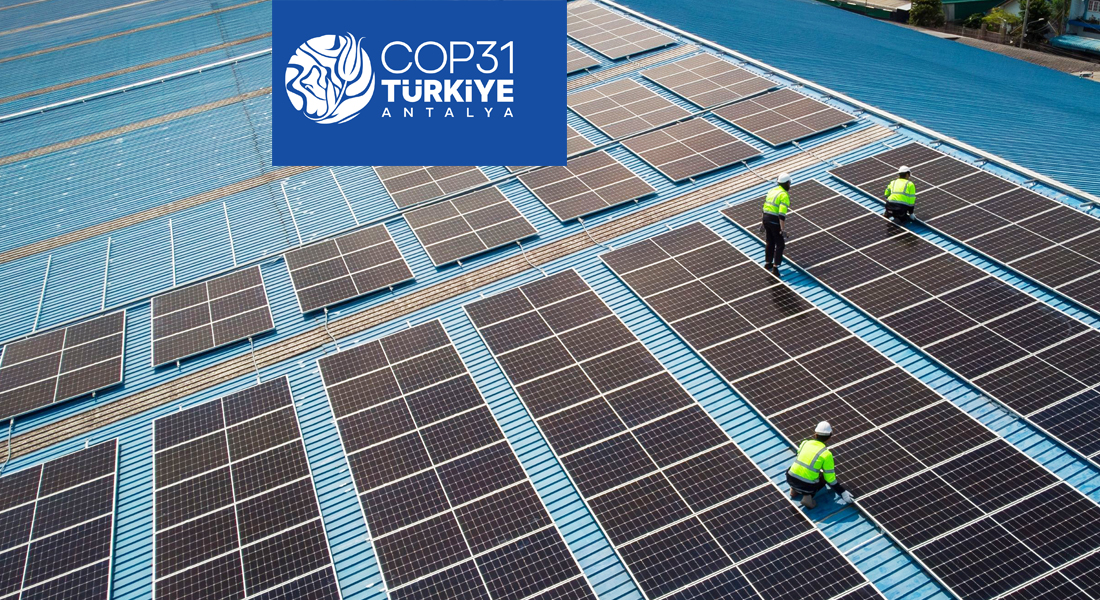
Day 3 marked the opening of the Antalya Leaders’ Summit, bringing political attention to implementation, clean energy and resilience. Alongside leaders’ statements, negotiations continued on adaptation, carbon markets and just transition, with financing remaining a recurring concern. wmo.int
- Leaders called for faster implementation, with Qatar reaffirming its support for global climate action. His Highness Sheikh Tamim bin Hamad Al Thani, Amir of the State of Qatar, participated in the Leaders’ Summit. In his statement at the Leaders’ Summit, His Highness reaffirmed Qatar’s continued active role in supporting global climate action through national initiatives and joint international efforts, emphasising sustainable development. President Erdoğan reiterated Türkiye’s ambition for an “Implementation COP”, while Australian Prime Minister Anthony Albanese stressed solidarity with vulnerable Pacific island countries. wmo.int
- Clean energy was framed as an economic and security priority. UN Climate Change Executive Secretary Simon Stiell linked fossil fuel dependence to inflation, pressure on government budgets and higher household bills. He argued that clean energy and stronger disaster resilience could improve economic stability and protect global supply chains. UNFCCC
- Zero waste and circularity gained prominence. Türkiye promoted waste prevention, recycling and material reuse as practical ways to reduce emissions, including methane. Erdoğan reported that the country’s recycling rate had risen from approximately 13% in 2017 to 40% by the end of 2025. The initiative attracted attention alongside calls for concrete implementation measures. apnews.com
- Climate science reinforced the urgency of action. WMO Secretary-General Celeste Saulo reported that January–September 2026 temperatures averaged approximately 1.47°C above pre-industrial levels, with El Niño adding further warming pressure. She highlighted record ocean heat and sea levels, and called for sustained investment in observations, forecasting and early warning systems. wmo.int
- Adaptation discussions concentrated on turning plans into funded projects. Least developed countries highlighted difficulties preparing bankable projects and accessing support. Negotiators also examined how to measure adaptation progress while recognising different national circumstances. The central concern was whether national adaptation plans could secure the resources needed for delivery. enb.iisd.org
- Support emerged for continuing the Just Transition Work Programme. Parties broadly favoured extending it beyond 2026, while calling for knowledge exchange to produce practical results. Discussions stressed participation by workers and communities and avoiding duplication with the just transition mechanism. enb.iisd.org
- Article 6.2 funding remained unresolved. Parties continued debating budget funding and user charges for carbon market infrastructure and technical reviews. Developing countries raised concerns about additional financial burdens, while several delegations opposed charges for accessing the international registry. enb.iisd.org
- Differences persisted over translating the Global Stocktake into NDC guidance. Some Parties sought substantive messages to support national climate policy. The Arab Group, African Group and Like-Minded Developing Countries opposed expanding the annual dialogue’s mandate. Mitigation discussions also continued without agreement on the programme’s duration or proposed permanent institutional arrangements. enb.iisd.org
Assessment for the Foundation: Day 3 strengthened the political case for implementation, but technical negotiations continued to expose differences over finance, national discretion and institutional responsibilities. The most relevant themes for the Foundation are the connection between clean energy and economic resilience, financing adaptation projects, and ensuring that transition policies deliver benefits for workers and communities.