Can Natural Gas Cut Emissions and Keep the Lights On? Al-Attiyah Foundation and GECF Lead COP31 Debate
23 November 2026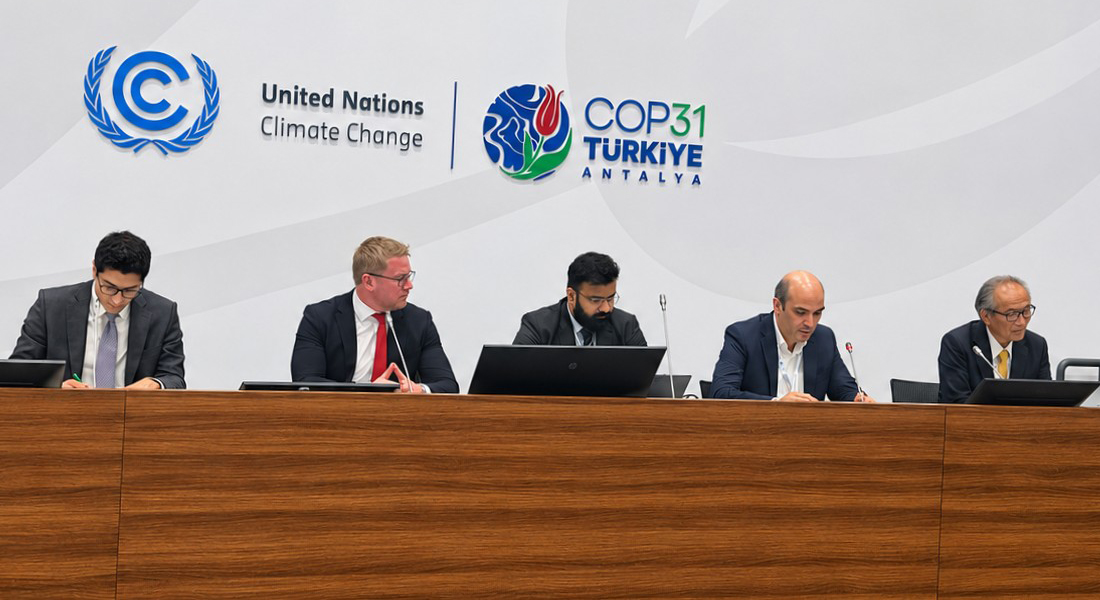
Doha: 23rd of November 2026
Natural gas will be pivotal in the fight against climate change, helping countries move away from coal and bring reliable electricity to more communities across the world. The importance of natural gas in the current and future energy mix was discussed by eminent global experts at an Al-Attiyah Foundation and Gas Exporting Countries Forum (GECF) event at the 2026 United Nations Climate Change Conference (COP31) in Antalya, Türkiye.
Held on 19 November, Natural Gas in the Decarbonisation Agenda: Enabling Cleaner Transitions, an official side event under the United Nations Framework Convention on Climate Change (UNFCCC). Following opening remarks from H.E. Dr Philip Mshelbila, Secretary General of the GECF, speakers convened by both the Foundation and the GECF, addressed various aspects of the transition. Professor Jun Arima, Senior Policy Fellow at the Economic Research Institute for ASEAN and East Asia, spoke on coal-to-gas switching. Amin Naderian, Head of the GECF’s Energy Economics and Forecasting Department, discussed cleaner, more reliable electrification in the context of “35 by 35”, while Bob Felix Ocitti, Programme Lead for Oil and Gas at the African Energy Commission, considered the role of gas in expanding energy access and supporting economic development in Africa.
Dr David Hart of Environmental Resources Management examined the role of natural gas in the hydrogen value chain. Dr Masoumeh Moradzadeh, Energy, Environment and Policy Analyst at the GECF, focused on methane emissions across the gas supply chain, and Aditya Saraswat of Rystad Energy analysed how carbon capture and storage could reduce emissions from gas use. The six speakers then joined a moderated panel discussion and took questions from delegates.
Across its wider COP31 programme, the Foundation hosted, co-hosted and supported discussions on financing the energy transition. At the QNB Stand in the Green Zone’s Climate Finance Hub, sessions examined how energy-producing economies could finance diversification and attract investment in grids, renewables and energy efficiency. A further discussion explored investment in cleaner marine fuels and port infrastructure to reduce shipping emissions and protect coastal ecosystems.
At the Qatar Pavilion, the Foundation supported sessions hosted by Qatar’s Ministry of Environment and Climate Change on translating national climate commitments into policy and using data to track progress. A separate session examined how artificial intelligence could help detect methane leaks and forecast renewable generation, alongside the energy and water required to run AI systems.
The Foundation also co-hosted Driving Sustainable Business Performance with the Qatar Free Zones Authority. The session examined how company boards could oversee transition plans, direct investment towards emissions reductions and use operational and financial data to assess the results.
The Foundation is a non-profit organisation dedicated to advancing knowledge and dialogue on energy and sustainability. Its work builds on the legacy of its late founder H.E. Abdullah bin Hamad Al-Attiyah and his contribution to Qatar’s energy industry and international cooperation.