CEO Roundtable

September - 2026
The New Energy Security: Building Resilient Energy Systems in an Era of Multiple Risks
As energy systems become increasingly exposed to interconnected geopolitical, cyber, climate, infrastructure, and supply chain risks, energy security now extends far beyond the reliable availability of fuels. The Al-Attiyah Foundation’s CEO Roundtable, The New Energy Security: Building Resilient Energy Systems in an Era of Multiple Risks, brings together senior policymakers, industry leaders, and international experts to examine how energy systems can anticipate, withstand, and recover from disruption while maintaining affordability and advancing sustainability goals.
 Download PDF (30MB)
June - 2026
Energy Security Takes Centre Stage: What It Means for Climate Ambition
As energy systems face growing pressure from geopolitical tensions, market volatility, supply chain disruptions, and climate-related risks, energy security has re-emerged as one of the defining challenges of our time. The Al-Attiyah Foundation's CEO Roundtable, Energy Security Takes Centre Stage: What It Means for Climate Ambition, brings together senior policymakers, industry leaders, and international experts to explore how the pursuit of secure, affordable, and reliable energy is reshaping the global energy transition.

February - 2026
Global Energy Dynamics: Forces Shaping the Industry
In the first CEO Roundtable of 2026, experts and industry leaders will explore the forces that are shaping our energy industry in a rapidly changing world.
The global energy system is undergoing its most profound transformation since the advent of oil as the dominant fuel of the twentieth century.
December - 2025
The Road from 2025 to 2026: Energy, Climate, and Global Shifts
The Al-Attiyah Foundation’s fourth CEO Roundtable of 2025 will reflect on the defining events of the year and how they have shaped our industries, countries, and societies. Climate change will be central to our discussions. With 2025 United Nations Climate Change Conference (COP30) having recently concluded, our deliberations will also consider the key outcomes of the conference and the concrete actions announced there.
The energy industry continues to evolve at pace. Supply, demand, and manufacturing capacity for fossil-based products are shifting, shaped by both structural changes and geopolitical pressures. While political events
often influence short-term decision-making, longer-term trends are becoming increasingly visible.

September - 2025
2025 and Beyond: The Critical Shifts in LNG Supply and Demand
The third Al-Attiyah Foundation CEO Roundtable of the year, titled“2025 and Beyond: The Critical Shifts in LNG Supply and Demand”, will serve as a high-level, invitation-only forum bringing together senior leaders from across the liquefied natural gas (LNG) value chain.
The event will provide a platform to examine key market inflection points that are expected to shape the global LNG supply-demand dynamics in 2025 and into the future. Discussions will cover short-term volatility, long-term structural changes, and the role of geopolitical developments, with a special emphasis on LNG's role in the global energy transition, innovation, and strategic resilience.

June - 2025
The AI-Powered Energy Revolution: Efficiency, Sustainability, and Innovation
AI refers to the simulation of human intelligence in machines, enabling them to perform tasks that typically require human cognition. These tasks include problem-solving, learning, reasoning, perception, and language understanding.
February - 2025
Balancing Economic Growth and Climate Action in the Energy Sector
At the first Al-Attiyah Foundation CEO Roundtable of 2025, captains of industry, policymakers, and global experts will convene to discuss balancing economic growth and climate action, particularly in the energy sector. International experts will also provide insights into the pivotal role the global energy sector plays in fueling sustainable development.
As the world grapples with the dual imperatives of economic development and climate action, the energy sector stands at the forefront of the transformation needed to achieve a sustainable future. In recognition of the need for the widest possible participation of all sectors of society to achieve the 2030 Global Agenda for Sustainable Development, the Foundation has chosen the theme: “Balancing Economic Growth and Climate Action in the Energy Sector” for this CEO Roundtable. This will provide a platform for attendees to discuss policies and strategies for fostering economic growth while advancing climate commitments.
December - 2024
A Year of Change: Reflections on 2024 and Priorities for 2025
The Al-Attiyah Foundation will conclude its 2024 activities with its fourth and final CEO Roundtable of the year on December 4. At the event, captains of industry and global experts will convene to reflect on the key events of the passing year and postulate on what might be significant in the months to come.
“A Year of Change: Reflections on 2024 and Priorities for 2025” is an appropriate encapsulation of the current tumultuous economic and sustainability world order characterised by changing geopolitics and adverse impacts of climate change. The foundation has chosen this theme for the final CEO Roundtable to set the platform for a robust debate and sharing of insights on the priorities for an exciting year ahead.
September - 2024
The Effect of the Energy Transition on Water Resources
The Al-Attiyah Foundation will continue its 2024 CEO Roundtable Series with an in-depth discussion on the impact of the energy transition on global water resources. While the energy transition is expected to have far-reaching effects worldwide, regions facing water scarcity will be among the most severely affected.
This third roundtable of the year will delve into the critical relationship between energy and water resources, highlighting their intricate interdependencies and global significance.
June - 2024
Energy Security: Future Demand and Promising Options
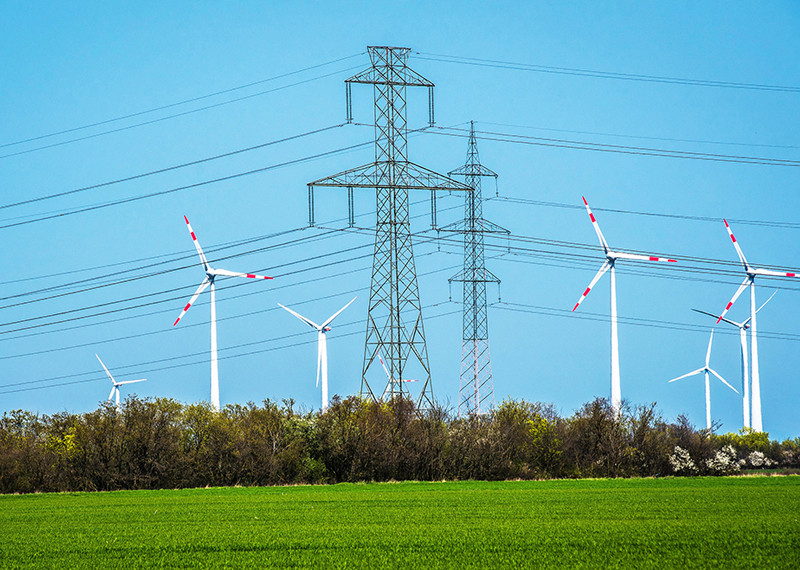
At the second Al-Attiyah Foundation CEO Roundtable of 2024, international expert speakers, captains of industry and esteemed guests will examine the factors affecting energy security now and in the future. The Roundtable will look at how energy security concerns will change, possible strategies that users may adopt to cope with the energy transition and how oil and gas suppliers may react to reduced demand.
March - 2024
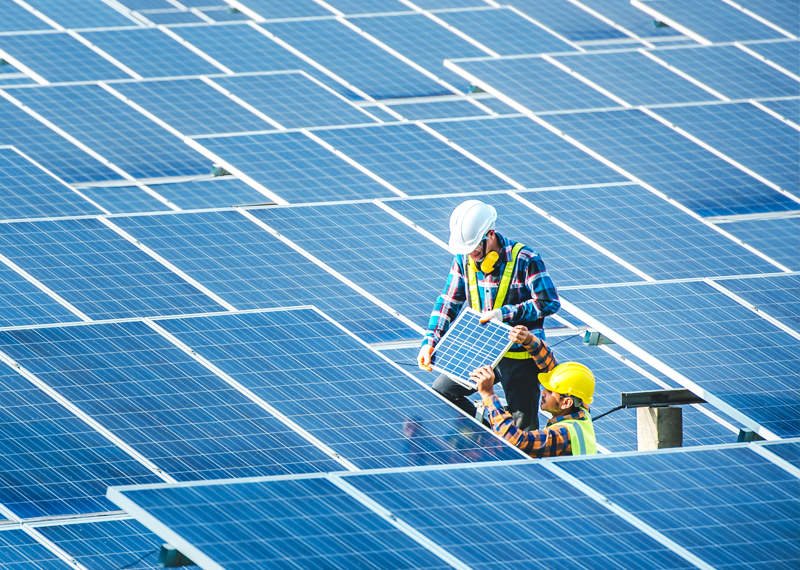
Impediments and Opportunities for the Energy Transition
The Al-Attiyah Foundation’s inaugural CEO Roundtable of 2024 will explore the myriad opportunities and constraints stemming from the ongoing energy transition. Anticipated discussions at the Roundtable will be centered on the ramifications of decisions and declarations, both made and deferred, at COP28. The focus will be on discerning how these outcomes will shape the trajectory of the global energy transition.
It is important, from the onset, to consider what the “energy transition” entails. In the context of this Roundtable, the energy transition refers to a global shift from traditional, fossil fuel-based energy systems to cleaner, more sustainable, and lowcarbon energy sources. The primary goal of the energy transition is to mitigate the environmental impact of energy consumption, reduce greenhouse gas emissions, and address climate change concerns.

December - 2023
Reflecting on 2023 and Shaping Climate Action in 2024
The Al-Attiyah Foundation will conclude its 2023 activities with its fourth and final CEO Roundtable of the year on December 6. At the event, captains of industry and
global experts will convene to reflect on the key events of the passing year and postulate on what might be significant in the months to come.
“Reflecting on 2023 and Shaping Climate Action in 2024” differs from previous December roundtables as will take place during the United Nations Climate Change
Conference or Conference of the Parties (COP28). Consequently, the themes of the dialogue could prove to be dynamic as decisions and pronouncements made - or not made - at COP28 may alter the direction of the energy transition in the immediate term. For example, nations have been submitting their Nationally Determined Contributions (NDC’s) over the past five years and the subsequent assessment of the results, or ‘Global Stock Take’, will be analysed at COP28.
Although this may prove to be politically divisive, it could set the stage for the next few years of global action to slash the greenhouse gas emissions causing climate change.
November - 2023
The Al-Attiyah Foundation at COP28
As an official UNFCCC observer organisation, the Al-Attiyah Foundation has a longstanding commitment to ensuring that its members and partners have an active role in UN Climate Change processes, including at the upcoming UN Climate Change Conference (COP28) in Dubai from 30 November to 12 December.
Due to the outstanding show of support from our members and partners, the-Al Attiyah Foundation is delighted to announce that we will host our first-ever pavilion in the Blue Zone at COP28 later this year.
This space will serve as a hub for critical knowledge sharing, networking, and showcasing the work of the Al-Attiyah Foundation. It would also allow the Foundation the opportunity to support the Ministry of Environment and Climate Change and help enhance the collaboration between the Foundation and other organisations from the State of Qatar that are participating in COP28.
The Al-Attiyah Foundation is keen to ensure that its pavilion provides a platform for forging partnerships with like-minded international and sectoral organisations, and for sharing insights and expertise on key energy, sustainability and climate change issues.
Further details of opportunities for our members to engage at our venue will be shared in due course.
In the meantime, do not hesitate to contact Mr. Colman Hands at chands@abhafoundation.org
September - 2023
Hydrogen Technology - From Strategy to Delivery
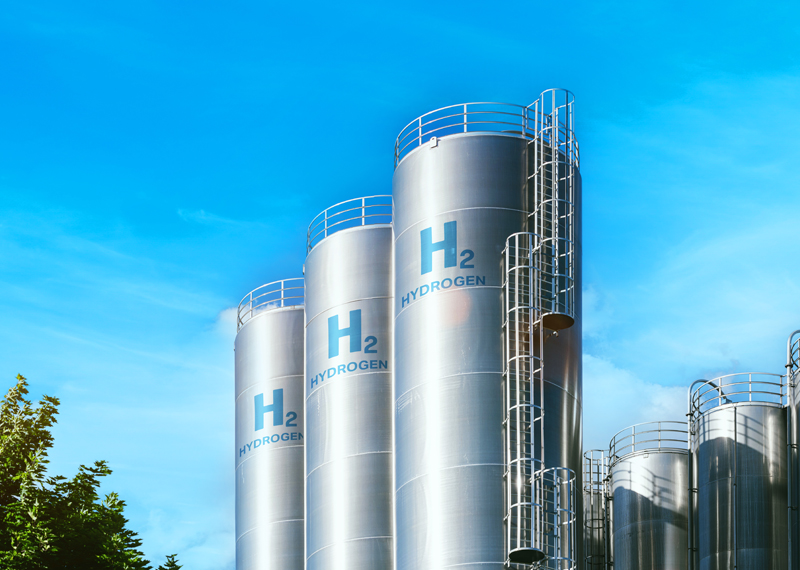
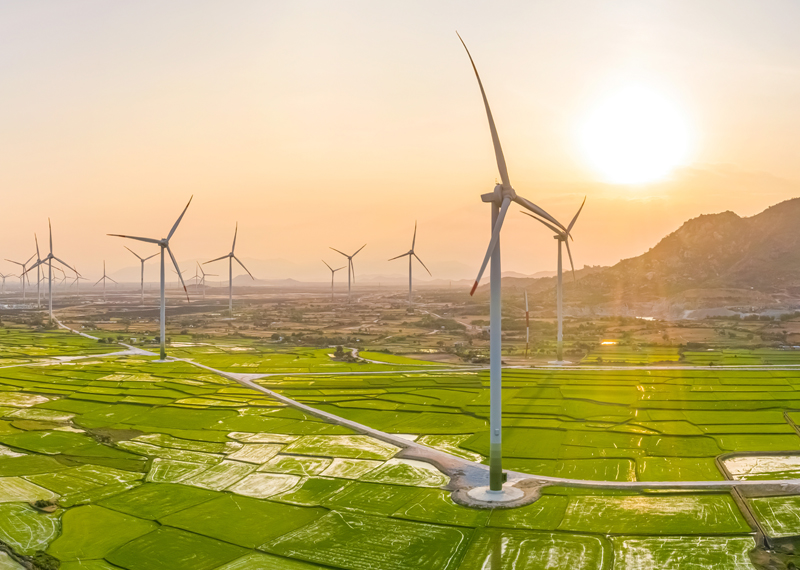
Hydrogen is the most abundant element in the universe and burns without emitting carbon dioxide. Due to these properties, many experts have claimed that it is the “wonder fuel” and could play a major role in the race to net-zero emission my mid-century. At this CEO Roundtable, global experts, captains of industry and esteemed guests will examine the practical problems associated with using hydrogen as a fuel and the strategies that countries can adopt for the element to play its part in the transition to low fossil fuel, low emission economies.
Hydrogen Technology - From Strategy to Delivery
06 September 2023
Overview
Hydrogen is the most abundant element in the universe and burns without emitting carbon dioxide. Due to these properties, many experts have claimed that it is the “wonder fuel” and could play a major role in the race to net-zero emission my mid-century. At this CEO Roundtable, global experts, captains of industry and esteemed guests will examine the practical problems associated with using hydrogen as a fuel and the strategies that countries can adopt for the element to play its part in the transition to low fossil fuel, low emission economies.
June - 2023
Are Volatile Energy Markets Slowing the Energy Transition?
Energy transition institutions within academia, research organisations, the private sector, and the energy industry have all been developing and updating energy transition scenarios. While these organisations have different methodologies and varying assumptions, most of their scenarios are not optimistic about the world meeting targets set by the Paris Agreement. For the second CEO Roundtable of 2023, international experts will provide new insights into short and long-term scenario planning and discuss whether volatile energy markets are slowing or accelerating the energy transition.
February - 2023
Anticipated Energy Scenarios in a Net-zero World
Institutions within academia, research organisations, the private sector, and the energy industry have all been developing energy scenarios. While these organisations have different methodologies and varying assumptions, most of their scenarios are not optimistic about the world meeting targets set by the Paris Agreement. For the first CEO Roundtable of 2023, international experts will provide new insights into short and long-term scenario planning and will answer questions such as “what will be the key features of supply and demand for energy in 2023?” This question is particularly pertinent in the face of the increasing focus on fossil fuels in climate change negotiations.
One may be forgiven for believing that the recent spike in gas prices and shortening supply are unheralded. However, some facets of the current situation could have been predicted with a quick analysis of trends from the previous decade. The low prices for both oil and gas of the period between 2010 and 2020 constrained investment. Companies found it difficult to make Final Investment Decisions (FIDs) when prices were low, despite arguments about the benefits of counter cyclical investments.
November - 2022
How will COP27 reshape the global energy landscape?
COP26 in November 2021 was one of the most significant summits on climate change, leading to new pledges from world governments to cut emissions and accelerate the green energy transition. The Glasgow conference yielded several breakthrough agreements, including the Global Methane Pledge, the Zero Emission Vehicle Pledge, the Deforestation Pledge, and the Glasgow Pact.
Under the Glasgow Pact, countries agreed to revisit and strengthen their Nationally Determined Contributions (NDCs) in 2022 – instead of every five years. The last time these targets were updated was in 2020. Indeed, several countries have since committed to more ambitious emission-reduction goals in an effort to limit the global temperature rise to 1.5 °C.
September - 2022
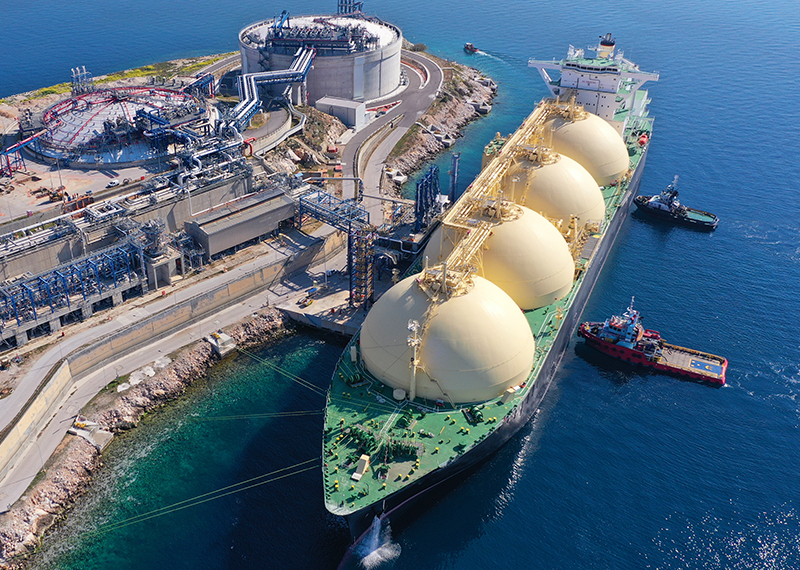
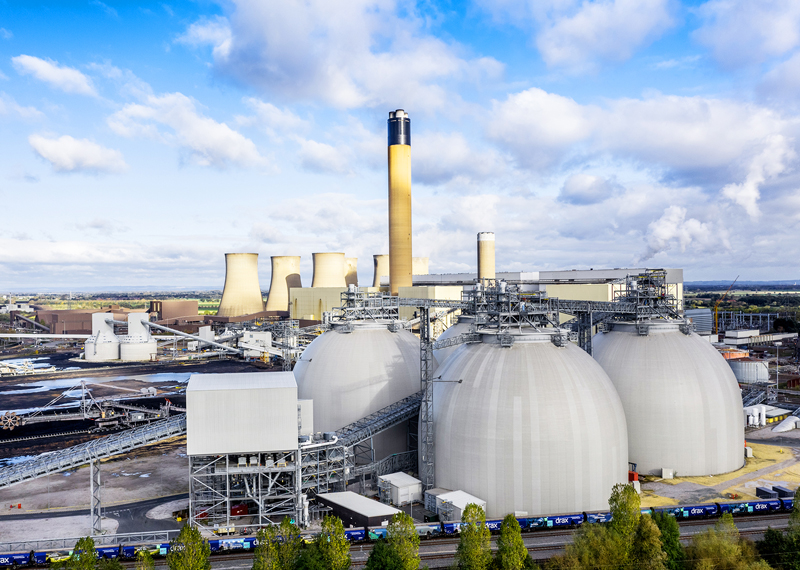
Gas Supply in the Short to Medium Term – Security, Recovery and Volatility
June - 2022
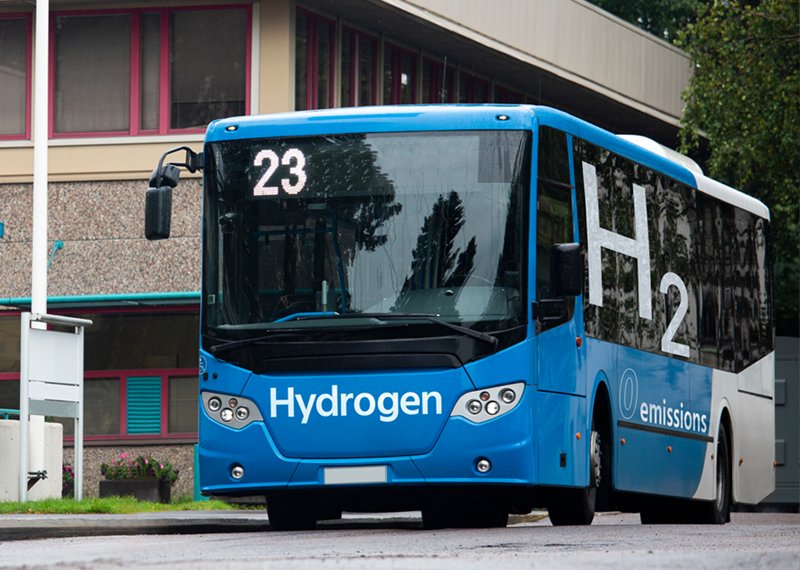
Hydrogen Opportunities for Qatar
The development of hydrogen is a significant feature in the pathway to net-zero emissions in many scenarios developed by a variety of government and state-level research organisations, private enterprises, energy agencies, and international platforms. The IEA net-zero emissions by 2050 scenario, for example, highlights that the needed total transformation of the world’s energy infrastructure would require the expansion of the production of low-carbon hydrogen from the current level of 450,000 tonnes to 40 million tonnes by 2030, just 8 years from now. The International Renewable Energy Agency (IRENA) estimates that hydrogen will account for nearly 12 percent of global energy use by 2050.
March - 2022
Hydrogen Opportunities for Qatar
The development of hydrogen is a significant feature in the pathway to net-zero emissions in many scenarios developed by a variety of government and state-level research organisations, private enterprises, energy agencies, and international platforms. The IEA net-zero emissions by 2050 scenario, for example, highlights that the needed total transformation of the world’s energy infrastructure would require the expansion of the production of low-carbon hydrogen from the current level of 450,000 tonnes to 40 million tonnes by 2030, just 8 years from now. The International Renewable Energy Agency (IRENA) estimates that hydrogen will account for nearly 12 percent of global energy use by 2050.
December - 2021
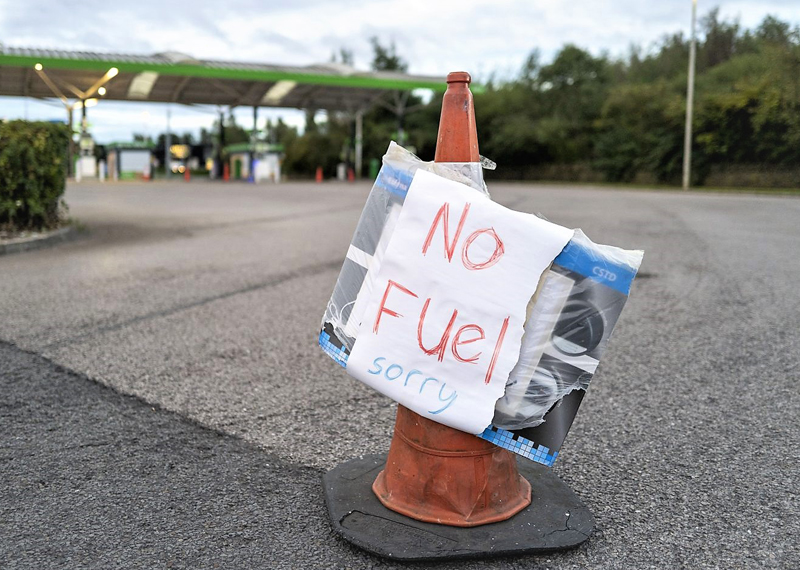
2022 Global Energy Landscape
The Al-Attiyah Foundation will host its final CEO Roundtable of 2021 to reflect upon the highs and lows of the past year and how these might unfold in 2022. Sharing their unique perspectives and predictions, the international guest speakers, will explore the key issues and opportunities that may arise in the new year – and beyond.
The scope and direction of the recovery from the COVID-19 pandemic has been brought into the spotlight by events such as the recent 2021 United Nations Climate Change Conference (COP26) in Glasgow. The decisions CEOs make now, will have profound effects on the global energy landscape
for 2022.

September - 2021
The Race to Net-zero
The world is witnessing a growing momentum in the push towards net-zero CO2 emissions, with many countries now legally obliged to reach this ambitious target by the mid-century.
This development is driven primarily by world leaders’ commitment to address climate change and hastened by the 2016 Paris Agreement.
December - 2019
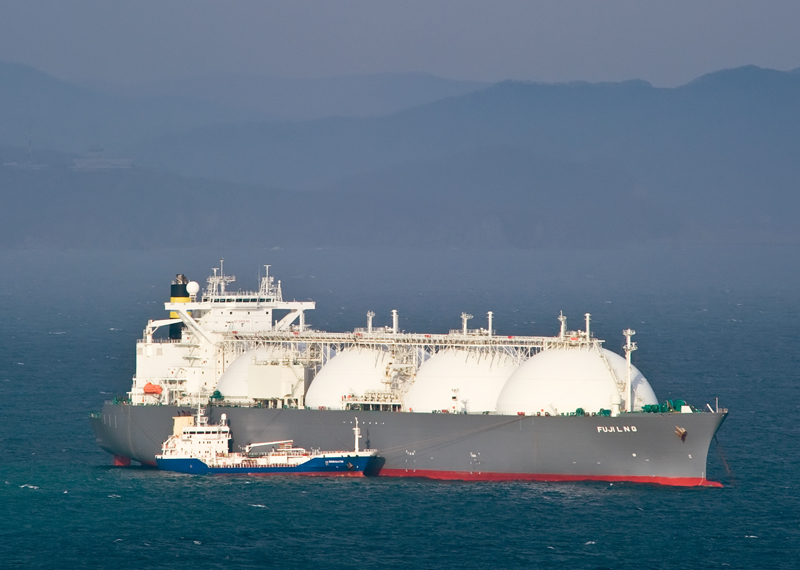
Exploring the 2019 forces shaping our 2020 Outlook
The Al-Attiyah Foundation will host its 4th CEO Roundtable of 2019, to reflect upon the highs and lows of the past year and how these might unfold in 2020. Sharing their unique perspectives and predictions, the international guest speakers, will explore the key issues and opportunities they believe will keep CEOs busy in 2020 – and beyond!
September - 2019
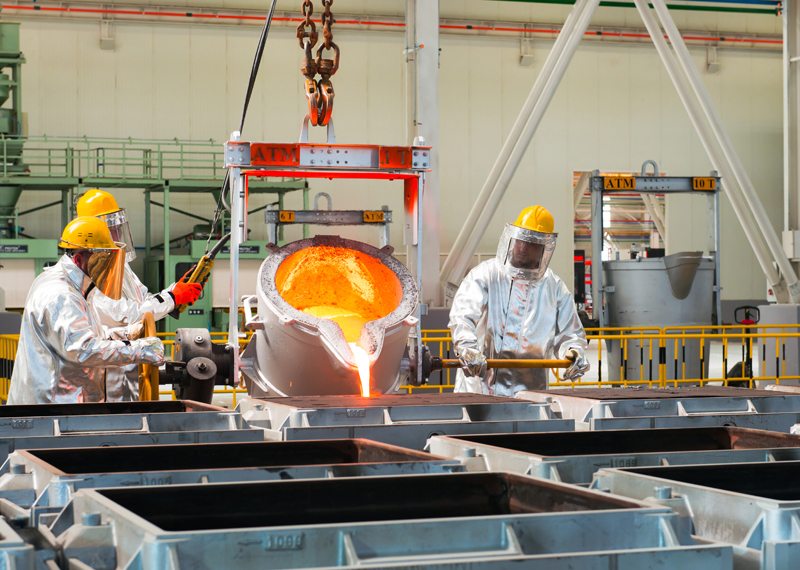
Reducing CO2 Emissions from Energy-Intensive Industries
When 196 countries - Parties to the United Nations Framework Convention on Climate Change (UNFCCC) - adopted the Paris Agreement in December 2015, it represented a major breakthrough. After more than 20 years of negotiations, the world agreed on a blueprint on how to keep global climate change well below 2 degrees Celsius and aiming for 1.5 degrees Celsius. The agreement is seen by many world leaders that gathered in Paris in December 2015, as the last hope for humanity to preserve the foundations for a healthy planet. It was hailed in 2015 as a major milestone in global efforts to tackle climate change and now provides a framework for all sectors, particularly the private sector to contribute to the global effort to combat climate change.
June - 2019
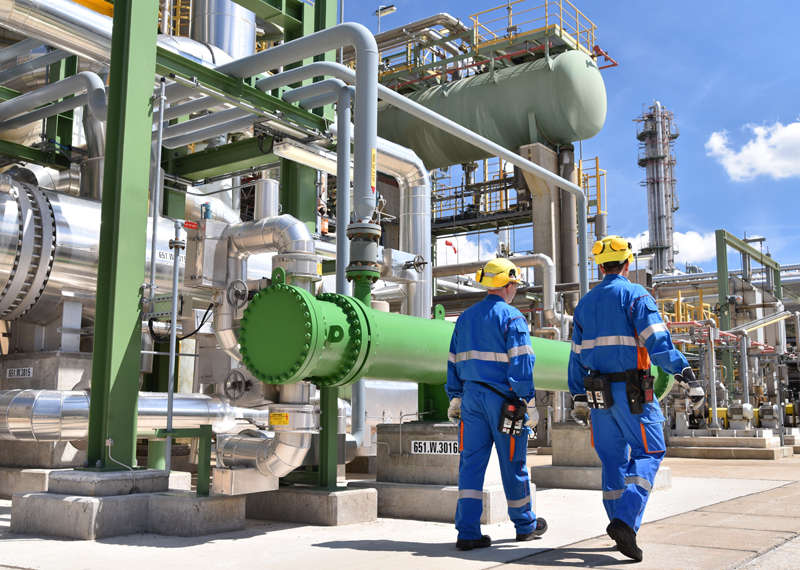
Petrochemicals: Changing Trends in Refineries
Refineries and petrochemical plants and refineries both process hydrocarbon derived materials. Refineries focus on fuels production and products including LPG (liquefied petroleum gas), naphtha, gasoline (petrol), kerosene, jet fuels, diesel, gas oils, fuel oils, and petroleum coke. The main refinery processes involved are distillation, cracking heavier distillate production into lighter products and changing molecule structures (reforming). It is the naphtha that refineries produce that primarily goes into petrochemicals but its main use currently is to produce gasoline.
March - 2019
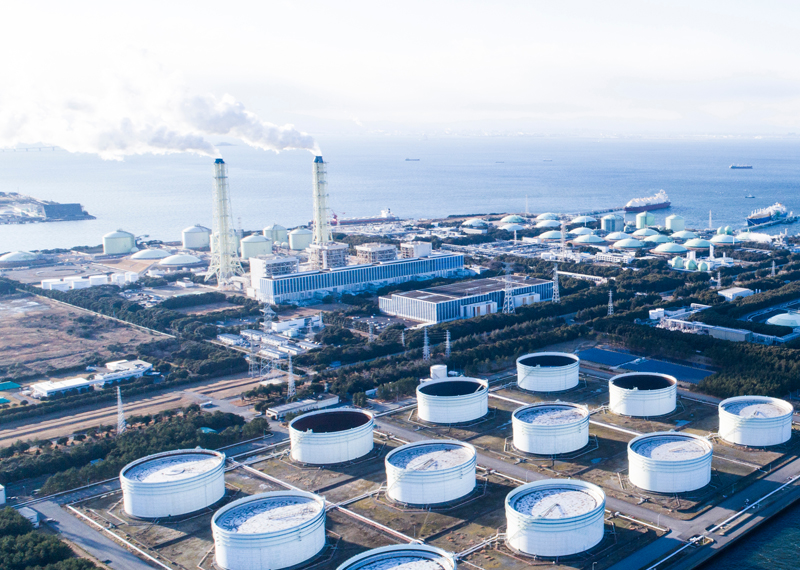
Methane Emissions from the Oil & Gas Industry
Burning natural gas produces less greenhouse gas emissions (GHG) than burning coal and crude oil. For this reason, natural gas is considered the cleanest fossil fuel. However, the principal component of natural gas, methane, is a potent greenhouse gas. Although short-lived in the atmosphere, methane contributes more than ten per cent to the overall anthropogenic emissions thus reducing methane emissions is considered one of the low-hanging fruits of climate change mitigation.